ModeratorandFacilitatorForEvents

Scott Steinberg · Consultant, Keynote Speaker and Business Strategist

Moderator and Facilitator for Events: Emcee (MC), Host and Keynote Speaker

Some programs need a top moderator or facilitator directing a conversation on stage; others need someone getting a room to reach a decision it has been avoiding. Frequently the same event needs both on the same day. Celebrity keynote speaker and futurist consultant Scott Steinberg, famous moderator and facilitator, provides emceeing and hosting for events from award evenings to board retreats, in every industry.

Moderation and strategic facilitation services for corporate meetings, award shows, galas, conferences and summits, sales kickoffs, board retreats, leadership offsites, customer and partner events, training programs, internal meetings and more!

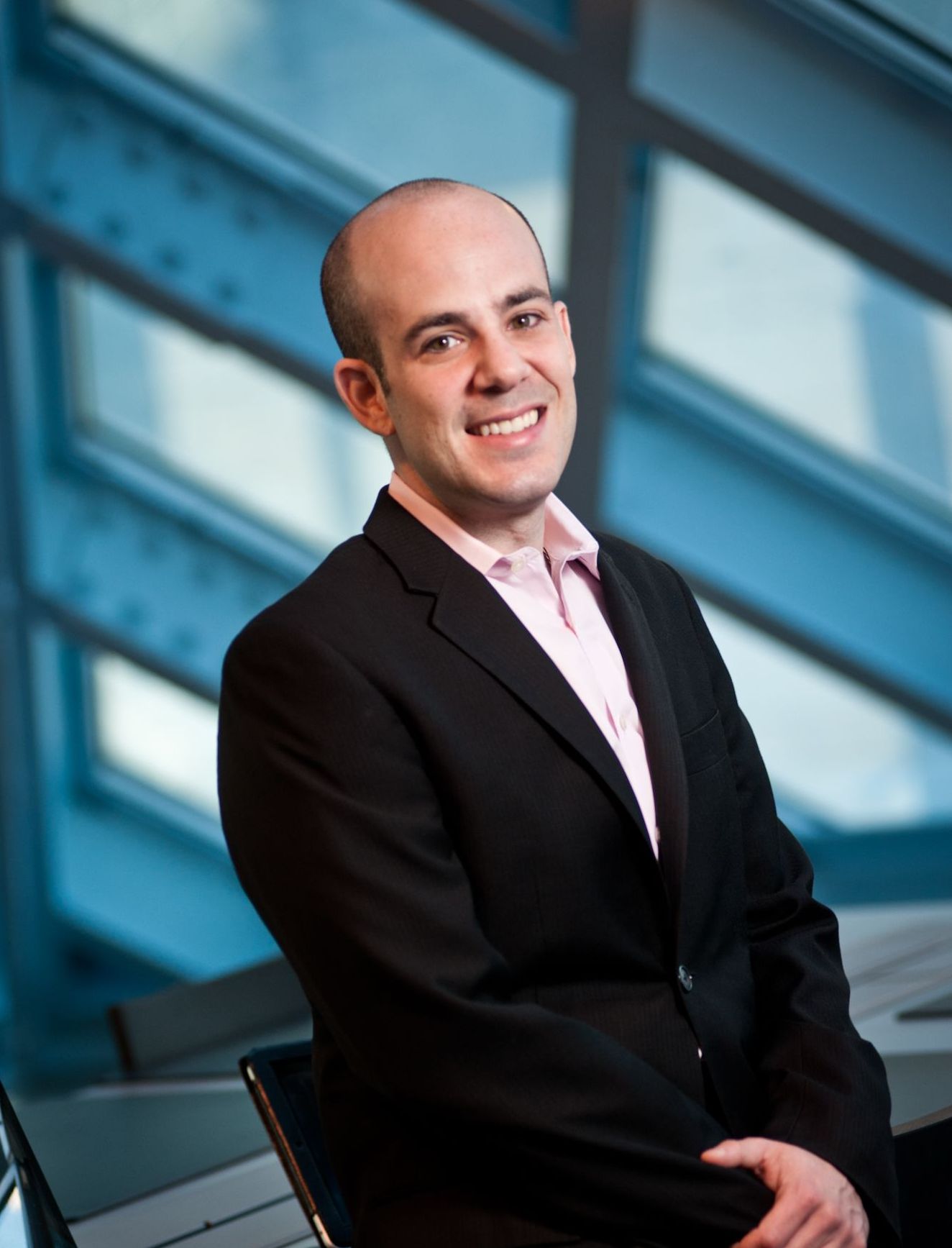
Scott Steinberg, event moderator and facilitator
Scott Steinberg — moderator, facilitator and event host
3,000+
Businesses, startups, governments and Fortune 500 companies advised
28 years
Management, facilitation, hosting and strategic consulting experience
30+
Books published on technology, marketing, business and innovation
5,000+
Published articles as seen in USA Today, CNN, ABC, NBC, TODAY Show

Events covered

What the job of a professional moderator and facilitator actually does changes considerably between these. An award evening needs presence and pace; a board retreat needs someone who will hold a group to a conclusion.

Award shows and recognition evenings

Award evenings need presence and pace rather than moderator and facilitator pros in the strict sense: names pronounced correctly, categories introduced briefly and a rhythm that holds across a long list.

Where an evening includes interviews with recipients or a panel segment, those sit naturally alongside the presenting role.

Galas and hospitality events

Gala evenings ask for a light touch and short interventions from moderators, facilitators and corporate event hosts, keeping proceedings moving while an audience is eating and talking.

The job is holding the evening's structure together rather than commanding attention, with the room carrying most of the night.

Conferences and industry summits

Conventions and meetings are where celebrity moderators and facilitators do the most work: panels, interviews, question sessions and track programs that need to feel connected rather than sequential.

Taking several sessions across one event gives the program an arc that separately booked moderators cannot produce.

Sales kickoffs and revenue meetings

Programs (SKOs) mix presentation, recognition and working sessions, which means the same day frequently needs moderation on stage and facilitation in breakouts.

Sales audiences disengage fast from anything that feels like theater, so both roles work better delivered plainly than with manufactured energy.

Board retreats and governance sessions

Board sessions require strategic facilitation services from top moderators and facilitators: directors are participants, not an audience, and they will challenge the person running the room.

The objective is a better board conversation and a decision at the end of it, which frequently means skillfully addressing a topic that the group has been circling.

Leadership offsites and strategy meetings

Offsites are facilitation work, designed backward from what the team must leave having settled rather than forward from an agenda of presentations.

An outside moderator and facilitator can press on points and hold a group to a conclusion in ways an internal chair cannot without political cost.

Customer and partner events

Customer and partner programs typically need both: moderated panels and interviews on the main stage, plus facilitated advisory or working sessions alongside them.

The main-stage work balances genuine value against the event's commercial purpose; the working sessions produce input the organization can act on.

Training and development programs

Development programs are facilitation by definition, judged on what participants leave able to do rather than on how the session felt.

Sessions with the best moderators and facilitators are structured around exercises producing output, with the skill being knowing when to let a group ride solo and when to intervene.

Industries covered

Sector context is prepared during planning, drawing on advisory work across more than 3,000 organizations in every field.

Technology, AI and telecom

Software, artificial intelligence, cybersecurity, consumer technology and telecommunications organizations.

Finance, insurance and professional services

Banking, credit unions, payments, wealth, insurance, legal, accounting and advisory firms.

Retail, consumer, travel and hospitality

Retail and commerce, consumer brands, food and beverage, travel, tourism and hospitality groups.

Health, industry, media and public sector

Healthcare, manufacturing, energy, real estate, media, gaming, education, associations and government.

About Scott Steinberg

Scott Steinberg is a futurist keynote speaker, corporate event host MC and consulting expert with over 25 years of experience advising more than 3,000 businesses and brands, from startups to government agencies and Fortune 500 firms.

He is the author of over 30 books and has published more than five thousand articles covering technology, marketing, leadership, innovation, advertising and digital transformation. He appears regularly on ABC, CBS, CNN and NBC.

He has led seminars, keynotes and training programs for organizations including Wells Fargo, the PGA Tour, Century 21, Ford, Dell and Procter & Gamble, and has been recognized by the International Association for Scholastic Excellence, Fortune and the 21st Century Icon Awards.
Common questions from meeting planners

What is the difference between moderator and facilitator pros?

Moderation directs a conversation for an audience watching it, usually on stage. Facilitation gets a group to produce something for themselves, with everyone in the room participating. If your session has spectators it is moderation; if everyone is a participant it is facilitation.

Which events need which?

Conferences, customer events and award evenings are mostly moderation and presenting. Board retreats, leadership offsites and training programs are facilitation. Sales kickoffs and partner summits usually need both across the same day, which is a common and economical arrangement.

Which industries do you work across?

Virtually all of them. Technology, AI and telecommunications; finance, insurance and professional services; retail, consumer products, travel and hospitality; healthcare, manufacturing, energy, real estate, media, gaming, education, associations and government, etc.

Can you do both roles at the same event?

Yes, and many programs need it. Moderating main-stage sessions and facilitating breakouts or an advisory session the same day shares preparation and travel, and gives the event a consistent voice across both formats.

Do you present at award shows as well?

Yes. Award evenings need presence and pace more than moderation in the strict sense, and where the evening includes recipient interviews or a panel segment those fit naturally alongside the presenting role.

Check availability

Share your event type, dates, industry and whether you need moderation, facilitation or both. Most programs turn out to need some of each.

Telephone
Availability
Engagements accepted nationwide and internationally

Moderation or facilitation?

Moderation directs a conversation for an audience watching it. Facilitation gets a group to produce something for themselves. If your session has an audience you likely need a moderator; if everyone in the room is a participant, a facilitator instead.